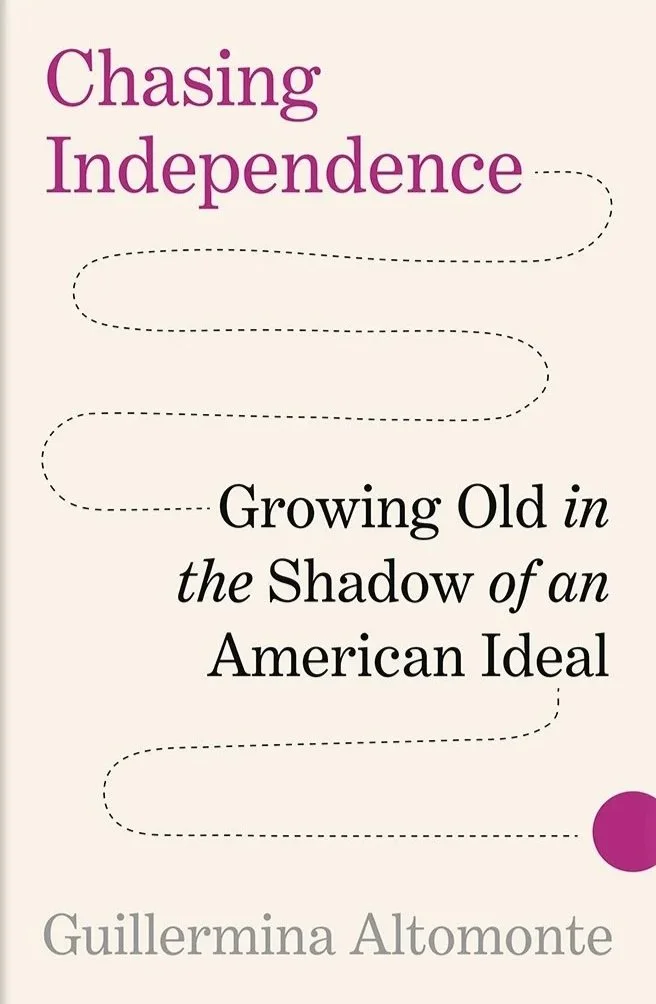
In twenty-first-century America, as people live longer than ever before, it’s taken for granted that older adults should be active and self-reliant. News stories describe nonagenarians who run marathons, reality shows feature attractive older women competing for the love of a widowed bachelor, and policymakers encourage aging “in place” rather than in a nursing home. This book turns a critical eye on these expectations and asks what happens when independence becomes the yardstick by which we measure the quality of old age. Drawing on ethnographic observations, interviews with older adults and healthcare workers, and historical materials, it shows how independence operates as an unquestioned standard for medical assessments, allocation of services, and even as a way to determine an older person’s identity and self-worth—often obscuring real needs for support and care.
Read an excerpt here.